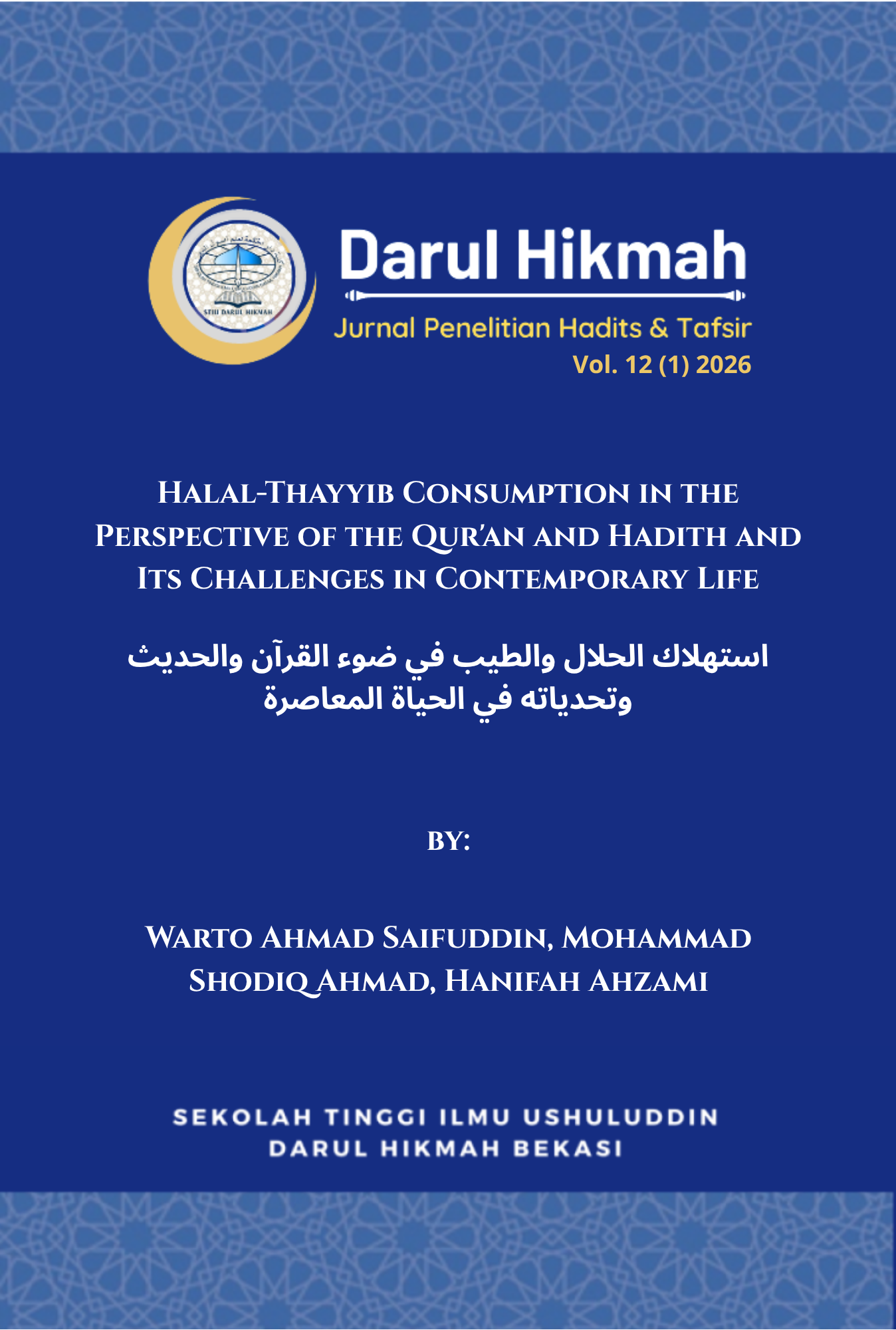
استهلاك الحلال والطيب في ضوء القرآن والحديث وتحدياته في الحياة المعاصرة
DOI:
https://doi.org/10.61086/jstiudh.v12i6.97الكلمات المفتاحية:
الحلال الطيّب، التفسير الاقتصادي، اللحوم المخبريةالملخص
تقدّم هذه المقالة تحليلاً شاملاً وعميقاً لمفهوم «الحلال الطيّب» في الإسلام، مستقصيةً جذوره العقدية في القرآن الكريم والسنّة النبوية، ومبينةً أهميته الملحّة في ظل تعقيدات الحياة المعاصرة. ففي عصر الثورة الصناعية الرابعة، يواجه نظام الإمداد الغذائي العالمي تحدّيات غير مسبوقة، منها: الهندسة الوراثية (GMO)، واللحوم المُنتَجة مخبرياً (Cultured Meat)، وتعقيدات سلاسل التوريد التي تزيد من مخاطر التلوّث وظهور مناطق الشبهات. يعتمد هذا البحث على منهج نوعي يجمع بين طرق التفسير التحليلي والتفسير الموضوعي، والدراسة المقارنة للفقه المعاصر، إضافةً إلى توظيف مفاهيم إدارة الجودة الحديثة. وقد أظهرت النتائج أنّ مفهوم «الطيّب» ليس مجرد عنصر مكمّل لمعيار «الحلال»، بل هو ركيزة أساسية تشمل سلامة الغذاء، وقيمته الغذائية، وأخلاقيات البيئة، واستدامة الاقتصاد. ويتّضح من خلال التفاسير الكلاسيكية والمعاصرة أنّ مدلول «الطيّب» تطوّر من كونه «لذيذاً» من الناحية الحسّية إلى معناه الأوسع: «الآمن، والصحي، والأخلاقي». كما يكشف البحث عن علاقة روحية عميقة بين تناول الحرام أو المشتبه به وبين حجب الدعاء وقسوة القلب كما أشار إلى ذلك الإمام الغزالي. وبهدف تحقيق نزاهة سلاسل الإمداد، توصي المقالة بدمج نظام ضمان الحلال (HAS 23000) مع معايير إدارة الجودة الدولية (ISO 22000)، إلى جانب اعتماد تقنية البلوك تشين لضمان التتبع (Traceability) من المنبع إلى المصب. وبذلك يُضمن للمسلمين تناول منتجات لا تقتصر على مطابقة الأحكام الشرعية (حلال) بل تتميز أيضاً بجودة جوهرية عالية (طيّب)
التنزيلات
منشور
إصدار
القسم
الرخصة
الحقوق الفكرية (c) 2026 دار الحكمة: مجلة البحوث في التفسير والحديث

هذا العمل مرخص بموجب Creative Commons Attribution-NonCommercial-ShareAlike 4.0 International License.
This work is licensed under a Creative Commons Attribution-NonCommercial-ShareAlike 4.0 International License.
You are free to:
- Share — copy and redistribute the material in any medium or format
- Adapt — remix, transform, and build upon the material
- The licensor cannot revoke these freedoms as long as you follow the license terms.
Under the following terms:
- Attribution — You must give appropriate credit, provide a link to the license, and indicate if changes were made. You may do so in any reasonable manner, but not in any way that suggests the licensor endorses you or your use.
- NonCommercial — You may not use the material for commercial purposes.
- ShareAlike — If you remix, transform, or build upon the material, you must distribute your contributions under the same license as the original.
- No additional restrictions — You may not apply legal terms or technological measures that legally restrict others from doing anything the license permits.
Notices:
You do not have to comply with the license for elements of the material in the public domain or where your use is permitted by an applicable exception or limitation.
No warranties are given. The license may not give you all of the permissions necessary for your intended use. For example, other rights such as publicity, privacy, or moral rights may limit how you use the material.